
A New Academic Volume on the Origins of the New Testament Canon
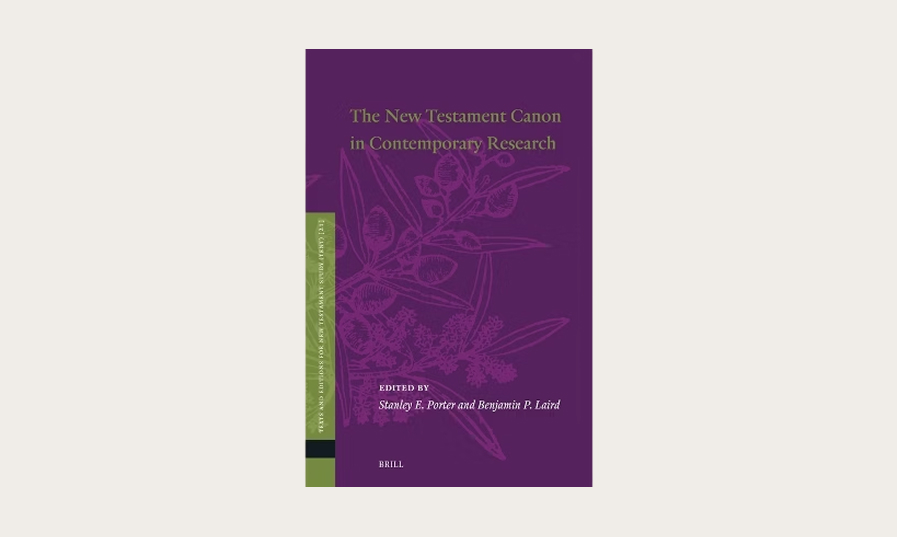
It goes without saying that not all academic sub-disciplines (especially in the field of biblical studies) generate the same level of scholarly interest. Some fields are more active; others less so. And it can change from generation to generation.
When I was doing my work with Larry Hurtado years ago at the University of Edinburgh, I always wondered if my sub-discipline of New Testament canon (and sub-sub-disciplines of NT text and apocryphal writings) would continue to generate academic discussion and interest in the years ahead.
Looking back, I can say that I am grateful that field of New Testament canon (and text) has continued to produce a lot of academic … Continue reading...
Two New Volumes on Christianity in the Second Century
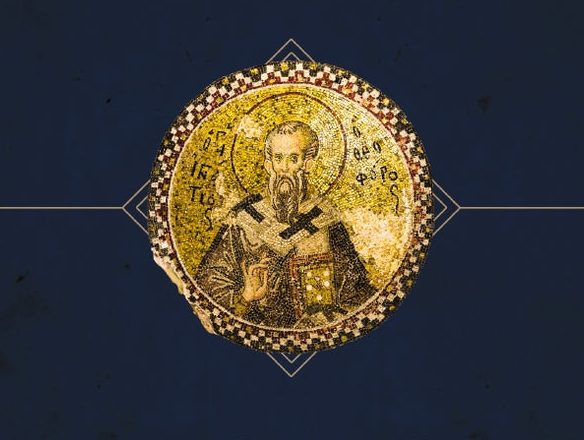
For those regular readers of this blog (or my books), you will know that my research has focused largely on the second century of early Christianity.
It is a forgotten century of sorts. Much attention is paid to the first century (for obvious reasons!), and by the time the third and fourth centuries roll around, the church is more established (which means more sources for scholars to study).
In between sits the “Cinderella Century” (as Larry Hurtado called it), all too easily overlooked. But, in this critical time period the church faced an enormous number of challenges and transitions ones that would shape its identity for years to come.
These … Continue reading...
Was the Gospel of John Originally Favored by the Heretics?
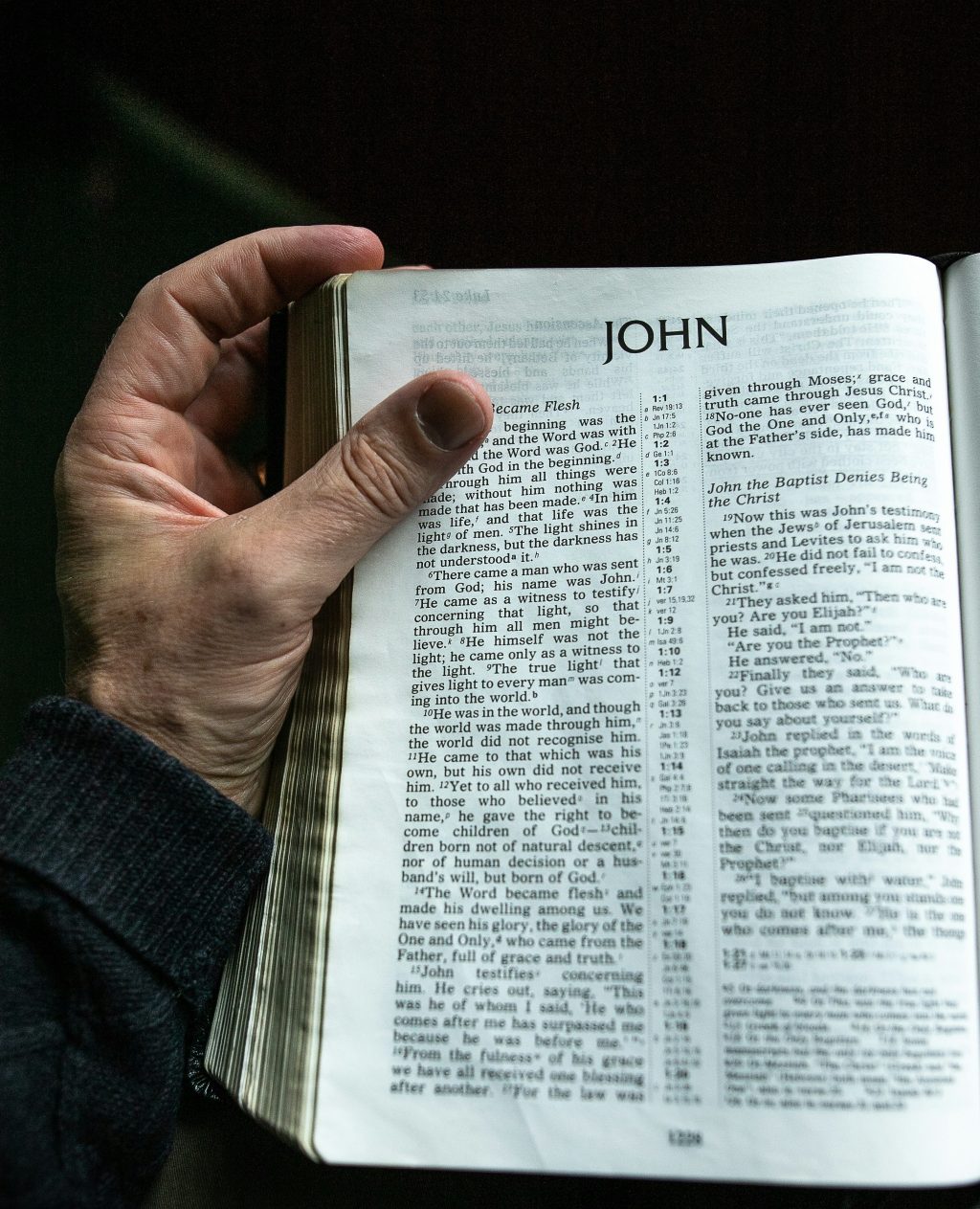
In the modern church, there’s little doubt that the Gospel of John is one of the most—if not the most—beloved Gospels. If forced to pick just one Gospel, many would prefer the Gospel of John. On the rare occasion when a singular Gospel is published as a stand-alone book (or booklet), it is almost always John.
And the reasons for its popularity are not hard to find. Along with an accessible and flowing style, John contains some of the most memorable descriptions and teachings of Jesus: the poetic prologue (1:1-18), the changing of water to wine (2:1-12), the conversation with Nicodemus (3:1-21), the healing of the man born blind (9:1-41), … Continue reading...
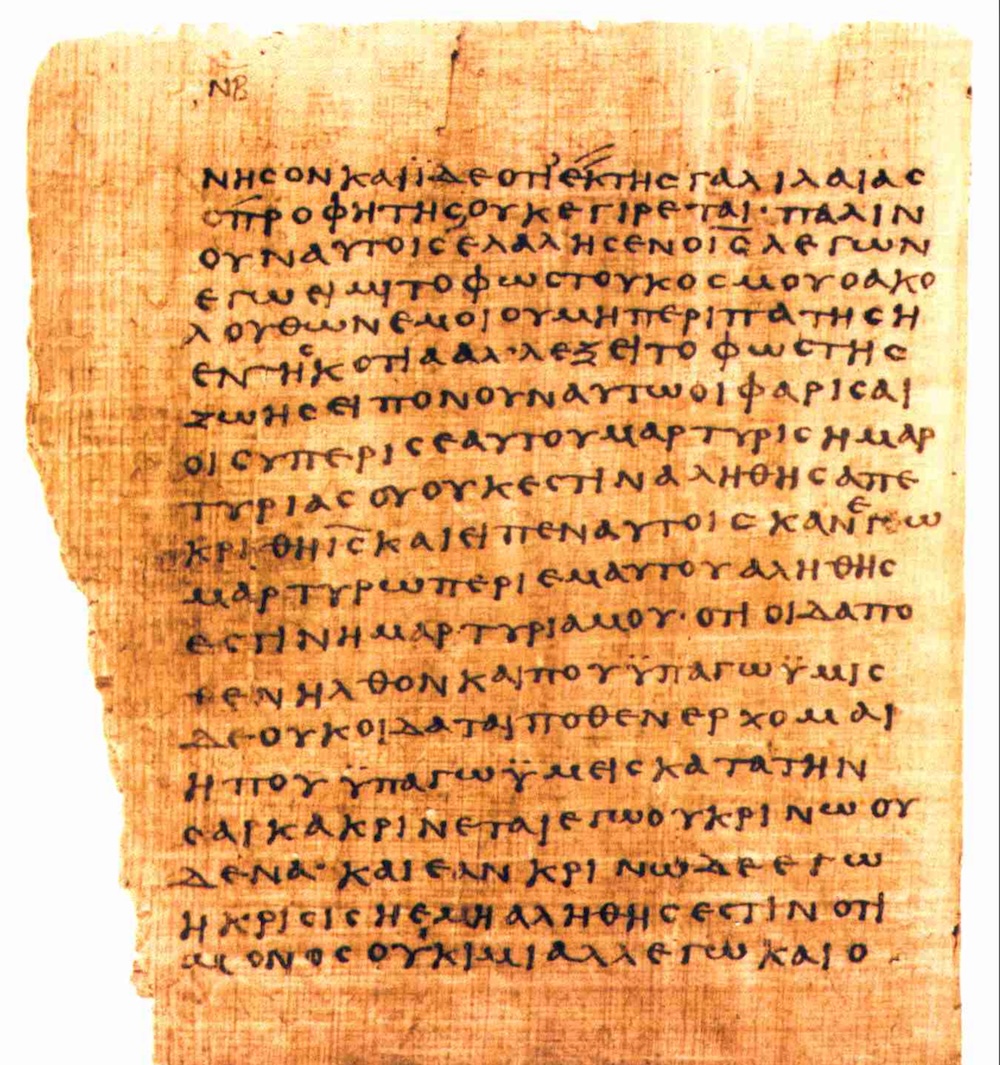
Class on the Origin and Authority of the New Testament Canon
 … Continue reading...
 Is All High Christology Necessarily Orthodox?
One of the classic, and seemingly never-ending, debates among New Testament scholars is whether Jesus’s earliest followers viewed him as fully divine, and (perhaps more importantly), whether Jesus viewed himself as fully divine. Some scholars say yes to both, some say no to both, and some are mixed.
In fact, I will be speaking on the subject of early Christology at The Gospel Coalition’s National Conference on April 23. My friend Scott Swain and I are tag-teaming the breakout session for Reformed Theological Seminary. He is speaking on the Names of God in the OT, and I am speaking on “Is Jesus the God of the Bible? High Christology … Continue reading...