
10 Misconceptions about the NT Canon: #6: “In the Early Stages, Apocryphal Books Were as Popular as the Canonical Books”

This is the sixth installment of a blog series announced here.
One of the most common claims by some critics of the NT canon is that apocryphal writings, particularly gospels, were as common and as widely-used as the NT writings. Helmut Koester is a good example of this trend. He laments the fact that the terms “apocryphal” and “canonical” are even used by modern scholars because they reflect, according to him, “prejudices of long standing” against the authenticity of these apocryphal texts.[1] Koester then argues, “If one considers the earliest period of the tradition, several apocryphal gospels are as well attested as those which later received canonical status.”… Continue reading...
The Early Text of the New Testament Now Available (in the UK)

I just heard from the folks at Oxford University Press this week and they indicated that the volume edited by Chuck Hill and myself, The Early Text of the New Testament, is now available in the UK. Unfortunately, like many Oxford volumes, it is a bit pricey at 90 pounds ($175). Ouch. But, hopefully some major research libraries will pick it up (and some scholars with a generous book budget!). The book is available in the US in August.
Here is a blurb from the back cover and the table of contents:
… Continue reading...The Early Text of the New Testament aims to examine and assess from our earliest extant sources
Apocryphal Books in Early Christian Codices: Evidence for their Canonical Status?

A favorite topic of modern critical scholars is the role of apocryphal books in early Christianity. How often were these books used? And did Christians regard them as Scripture? Bart Ehrman’s book Lost Christianities is typical in this regard. Ehrman explores a number of books that did not make it into the canon and argues that Christians originally regarded these books as part of God’s word.
One critical piece of evidence for Ehrman is that the Shepherd of Hermas and the Epistle of Barnabas were both included in one of our earliest complete NT manuscripts, the fourth-century Codex Sinaiticus (p.245). He also appeals to the fact that 1&2 Clement were … Continue reading...
Did Paul Himself Create the Very First New Testament Canon?
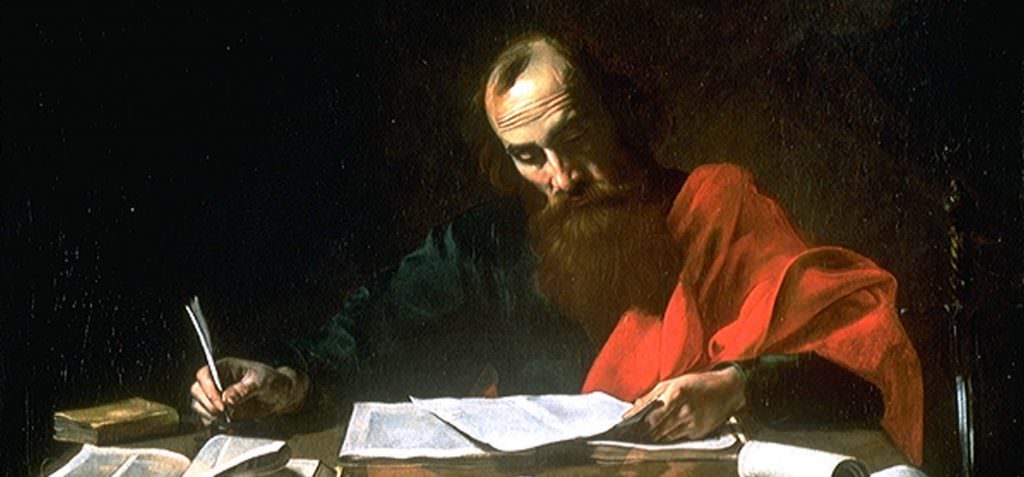
Let’s just admit it. We rarely pay attention to the final greetings that Paul offers at the end of his letters. Such personal statements are, well, too personal—they just don’t seem meant for us. However, our unfortunate neglect of these passages can leave a variety of treasures undiscovered. One such passage may even bring unexpected illumination about the origins of the New Testament canon.
In 2 Tim 4:13 Paul says to Timothy, “When you come, bring the cloak that I left with Carpus at Troas, also the books, and above all the parchments.” Paul makes a curious distinction here between “the books” (ta biblia) and “the parchments” (tas membranas), suggesting … Continue reading...