
Parenting Lesson #1: God Works Through Families

In a prior blog post, I announced the forthcoming release of the new book I co-authored with my wife Melissa, entitled: The Good News Family Devotional: 52 Weeks in the Gospel of Mark.
This book is designed to fill a gap in family devotionals because it is written by both a mom and a dad, and also designed to reach both the parent and the child. It releases on May 5th so keep an eye out!
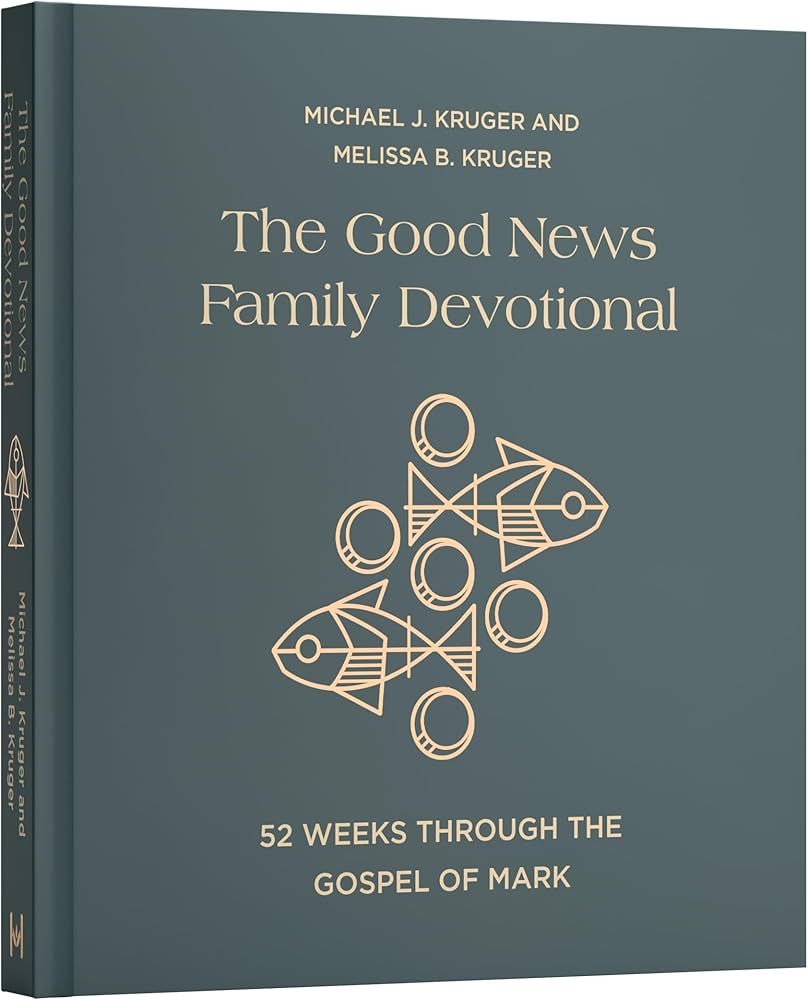 In light of this forthcoming book, I am doing a short 3-part blog series in the month of April designed to highlight a number of key lessons on parenting we have … Continue reading...
What’s the Best Argument for the Resurrection?

Well, soon it will be Easter. That wonderful time of the year when we remember (and celebrate) the resurrection of Jesus from the dead.
But, not all will be celebrating. There are many that find Easter to be a senseless holiday—apart from, perhaps, the joys of Sunday brunch or chocolate eggs. After all, it is argued, we all know that people don’t rise from the dead. And there are no reasons to think it happened in the case of Jesus of Nazareth.
In response to such skepticism, apologists have been making their best arguments for the resurrection. There’s the empty tomb. There’s the fact that women were the first eyewitnesses … Continue reading...
Our Exciting New Book for Christian Parents
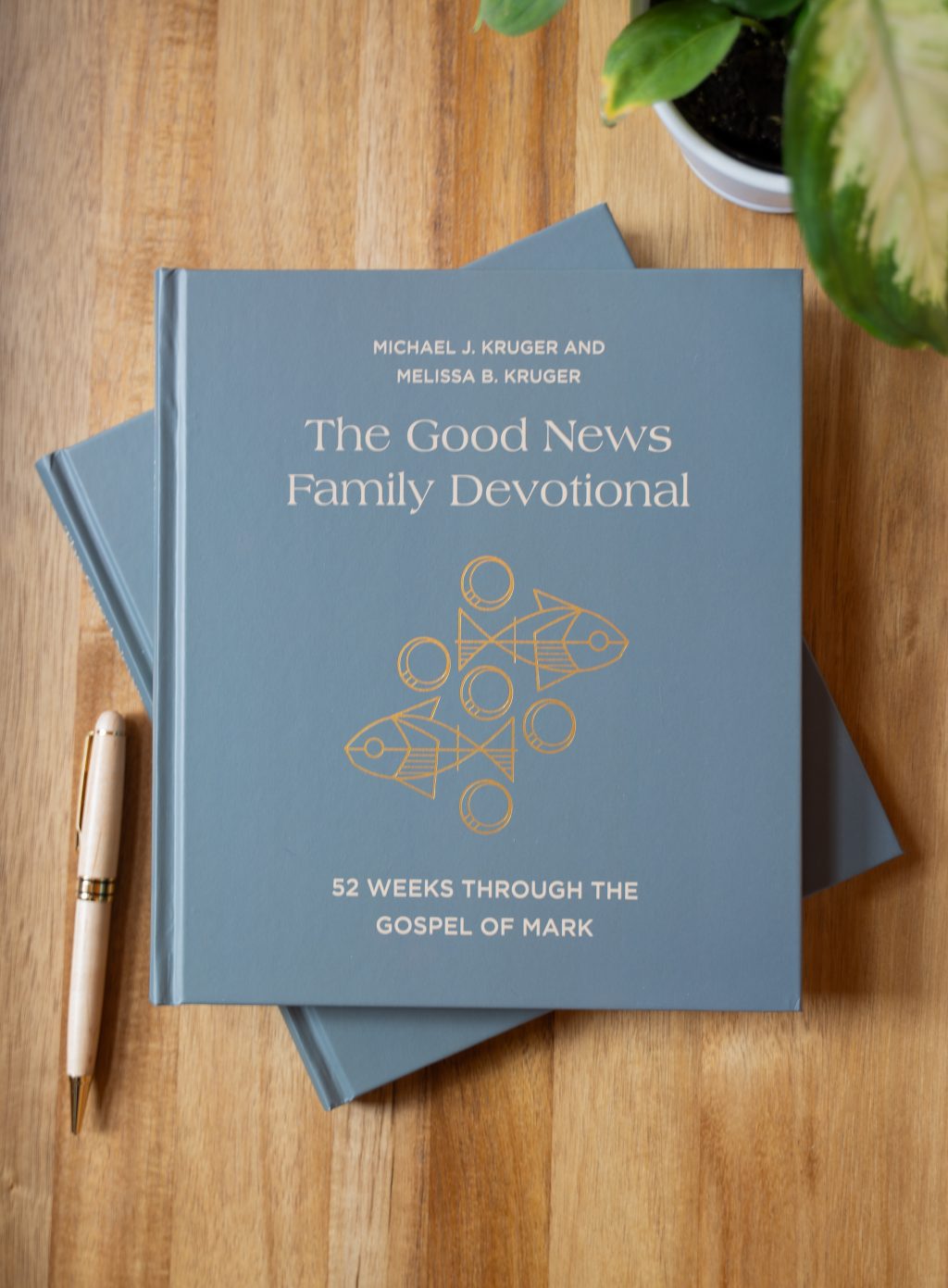
Every parent feels it. They know they should be studying the Bible with their children and just don’t know how to take the next step. So, the years tick away and the guilt piles up.
And it’s not just the problem of being too busy. For many parents, they just don’t know where to begin. Should parents just start in Genesis? Should they read a chapter a day? And how do they communicate the lesson to their children?
Of course, there are plenty of devotionals out there. But most of them are for either the parents or their children. The former is often too heavy for the kids. And the … Continue reading...
Does the World Notice When Christians Fight with One Another?

In the earliest centuries of the church, the burgeoning Christian movement had its fair share of critics. And their complaints were wide and varied. Christians worshipped a criminal crucified by the Romans. Christians were a threat to the empire because of their refusal to pay homage to the gods. Christian books were filled with errors and contradictions. Jesus was a magician who learned his dark arts in Egypt. And so on.
Of all the early critics (and there were many), Celsus was undoubtedly the most strident. Writing in the latter half of the second century, Celsus was a Greek Philosopher who penned one of the earliest sustained critiques of Christianity … Continue reading...
Two New Volumes on Christianity in the Second Century
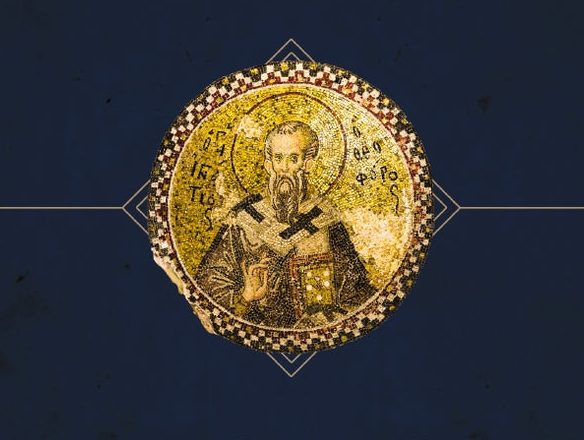
For those regular readers of this blog (or my books), you will know that my research has focused largely on the second century of early Christianity.
It is a forgotten century of sorts. Much attention is paid to the first century (for obvious reasons!), and by the time the third and fourth centuries roll around, the church is more established (which means more sources for scholars to study).
In between sits the “Cinderella Century” (as Larry Hurtado called it), all too easily overlooked. But, in this critical time period the church faced an enormous number of challenges and transitions ones that would shape its identity for years to come.
These … Continue reading...