
Two Very Different Books on the Reliability of the Gospels

I have just finished reading Bart Ehrman’s Jesus Before the Gospels: How the Earliest Christians Remembered, Changed, and Invented Their Stories of the Savior (HarperOne, 2016), and Brant Pitre’s The Case for Jesus: The Biblical and Historical Evidence for Christ (Image, 2016).
And I can’t imagine two books about Jesus more different from one another.
Not surprisingly, in his new volume (released again right before Easter!) Ehrman continues his life-long campaign to attack the reliability of the canonical gospels and to raise doubts about their authorship and origins. Time and time again he asserts that the gospels were late, anonymous productions, written by authors with no connections to the historical … Continue reading...
Is the Existence of the NT Canon Incompatible with Claims of New Revelation?
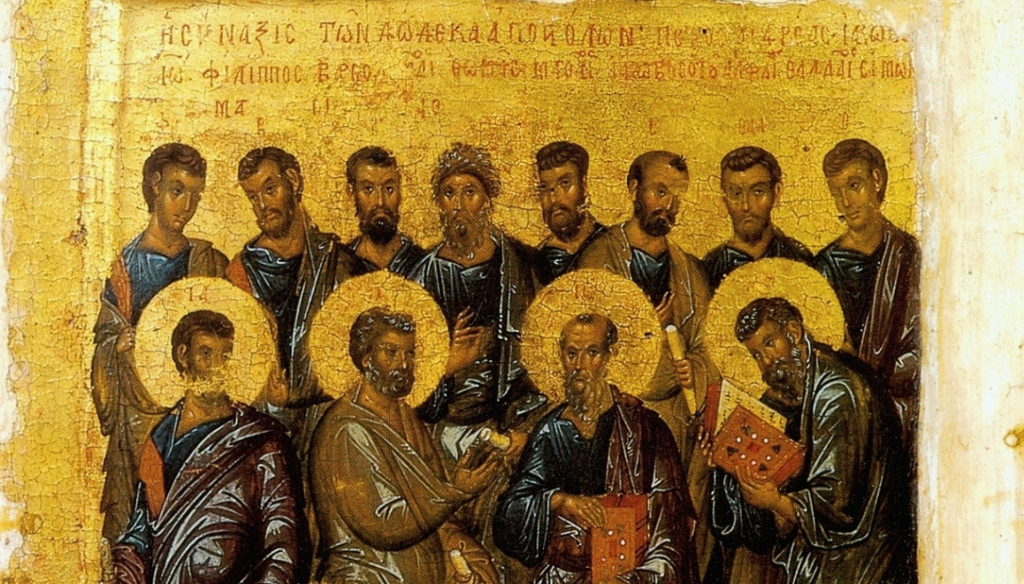
“God has spoken to me.”
There are few statements that will shut down debate more quickly than this one. If Christians disagree over a doctrine, a practice, or an idea, then the trump card is always “God has spoken to me” about that. End of discussion.
But, the history of the church (not to mention the Scriptures themselves) demonstrates that such claims of private, direct revelation are highly problematic. Of course, this doesn’t mean that God doesn’t speak to people. The Scripture is packed with examples of this. But, these were typically individuals with a unique calling (e.g., prophet or apostle), or who functioned at unique times in redemptive history … Continue reading...
Here is a Great Series by @melissabkruger on Reading the Bible in a Year

Now that 2015 is coming to a close, everyone is starting to talk about cranking up the yearly Bible reading for 2016.
But, if you are looking for more than just a link to a good Bible reading program, you will want to check out the great 4-part series my wife Melissa did over at TGC on her blog Wit’s End. She provides the bigger picture reasons and motivations for why Bible reading in a year makes sense.
One of her key reasons is that yearly Bible reading allows us to see the big sweep of redemptive history, something piece-meal reading can never do. Put differently, Bible reading in … Continue reading...
My Review of “How the Bible Became Holy”

This past week, my review of Michael Satlow, How the Bible Became Holy (Yale, 2014) appeared in the latest volume of Themelios.
As the title suggests, this is yet another book (in a long list of predecessors) that insists that the idea of an authoritative Scripture is a late invention of Christians.
According to Satlow, the Bible was not originally holy. It became holy. And that didn’t even happen until well into the third century or later.
Although Satlow’s volume covers both OT and NT issues, my review addressed some weaknesses on the NT side of things:
… Continue reading...As for the development of the New Testament canon, Satlow provides a
One of the Most Unique Books on the Authority of Scripture in Generations

We certainly have no shortage of books defending and upholding the authority of Scripture. In fact, I recently posted my list of top ten books on this subject.
And the reason we have so many of these books is not hard to find. The world continues to attack the Bible. And many Christians continue to doubt the Bible.
But one thing we do have a shortage of is certain kinds of books on the authority of Scripture. Most books on the authority of Scripture are either providing a theological explanation of our doctrine of Scripture, or are providing historical evidence for how the Bible was put together. Or maybe both.… Continue reading...