
Well, it just happened for the third time. This past week, I dropped off my last child at college. As might be expected, there were lots of emotions. Excitement, nervousness, fear. And that was just me! My wife Melissa wrote a wonderful post about seeing your last child graduate high school which you can read here. Bring a box of tissues.
Right now, as colleges are cranking up for the new year. thousands of other parents are experiencing the same thing all around the country. And as hard as it is to drop off a child, there can be something harder: worrying about them after they’re gone. For Christian parents, we particularly worry about how they will do spiritually while they begin a new life at secular university. How will they handle the barrage—no, tsunami—of intellectual challenges that will come there way?
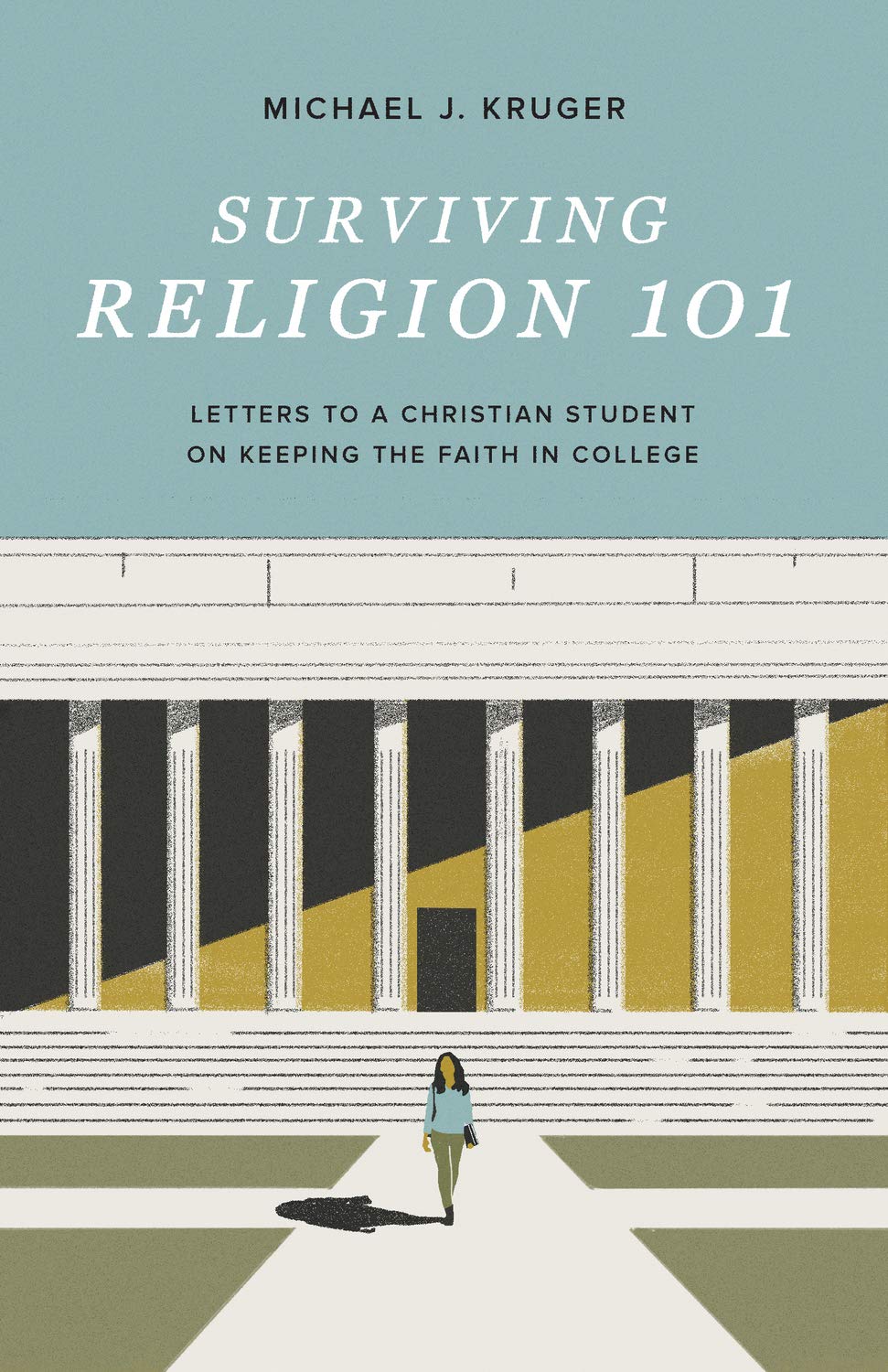
It was these exact concerns that led me to write my book, Surviving Religion 101: Letters to a Christians Student on Keeping the Faith in College (Crossway, 2021). It was written when my oldest daughter Emma went off to college and designed to help her (and anyone who reads it!) navigate some of the toughest objections to the Christian faith.
Indeed, I can still vividly remember my own college experience as a believer on campus. In the fall of 1989, I began my freshman year at the University of North Carolina at Chapel Hill. Like many freshmen, I was excited for the next chapter in my life, eager to explore the new opportunities and experiences that college had to offer.
Of course, I knew there would be challenges. College life would not be easy, especially for a Christian. But I had grown up in a solid Christian home, was taught the Bible from a young age, and was a faithful member of my church youth group. So I figured I was ready.
I wasn’t.
The problem stemmed not from what I was taught but from what I wasn’t taught. I wasn’t prepared in the one area that would matter most in a university environment. I wasn’t prepared intellectually. And I would soon learn (the hard way) that intellectual preparation was what I needed more than anything.
My lack of preparation reached a head in the spring of my freshman year when I took a religion course titled Introduction to the New Testament. Needless to say, such a religion class was a lot for a first-year student to handle. Rattled to the core, I spent that semester wondering whether my Christian beliefs had been a lie. And I was not the only one. I watched as many other Christian students struggled through that class, wondering how to mingle their faith with history (or whether that was even possible).
For myself, I decided to see if there were answers to my questions. Diving deeply into the class material and historical sources, I began to probe into the New Testament’s origins and reliability, and whether earlier Christians had ever addressed the issues raised in the class. I quickly discovered that Christians had addressed these issues—even from the earliest days of the Christian movement—and had done so with depth, precision, and intellectual rigor.
Simply learning that there were answers to my questions was not the end of my intellectual journey. I found myself genuinely fascinated with this new world I had discovered. In a rather ironic turn, my experience in this university religion class set me on a new intellectual trajectory, one that eventually led me to become a New Testament scholar myself, focused on these very same historical issues.
 But for many college students, the story ends very differently. Confronted by an intellectual world for which they are not prepared, Christian college students are leaving behind their faith in worrying numbers.
Although the book is for college students (and I’ve written it at an introductory level for that purpose), it is really for anybody with intellectual questions about their faith. My prayer is that it would helpful for students (and parents) as they head into this critical phase of their life.
In addition to the book, here is a 6-part blog series I did years ago about preparing kids for college. Enjoy!
#1 “Take this Transition Seriously”
#2 “You Won’t Have All the Answers”
#3 “What Doesn’t Kill You Makes You Stronger”
#4 “People Don’t Believe Things Simply Because of the Facts”
#5 “Doubting Doesn’t Make You a Bad Christian”
#6 “Stick Together Like a Band of Brothers (or Sisters)”