
My Top Ten Favorite Books on the Authority of Scripture

One of the most enjoyable aspects of speaking to different groups on the reliability of the Bible is the Q&A time. It is an exciting (and risky) affair because you never know what you are going to get.
Then again, sometimes you do know what you are going to get. Over the years, one question has been asked more than all others combined: “What are the best books to read on the authority of the Bible?”
Due to the popularity of that question, I have compiled an annotated list of the 10 best books on this topic. It goes without saying that such a list is highly selective (and debatable).
New Book on the Authority of Scripture

If we learn anything from church history, its that the church fights the same battles over and over again. Until Christ returns and redeems His church, this reality is, to some degree, inevitable. And one of those reoccurring battles is the issue of biblical authority. For a variety of reasons, this topic continues to pop up again and again.
In the last 50 years, one of the key issues related to biblical authority is the issue of inerrancy. Is inerrancy a recent, post-enlightenment, rationalistic (and largely American) invention as so many maintain? While one most always be careful to explain and nuance the meaning of the term, I don’t … Continue reading...
What is the Earliest Complete List of the Canon of the New Testament?

In the study of the New Testament canon, scholars like to highlight the first time we see a complete list of 27 books. Inevitably, the list contained in Athanasius’ famous Festal Letter (c.367) is mentioned as the first time this happened.
As a result, it is often claimed that the New Testament was a late phenomenon. We didn’t have a New Testament, according to Athanasius, until the end of the fourth century.
But, this sort of reasoning is problematic on a number of levels. First, we don’t measure the existence of the New Testament just by the existence of lists. When we examine the way certain books were used by … Continue reading...
New Book on Early Christian Apocrypha

Over the last number of years, scholarly (as well as popular) interest in Christian apocryphal works has continued to grow. Folks just can’t seem to get enough of “lost” Gospels and other books that did not make it into the New Testament.
My own interest in this area goes back to my thesis at the University of Edinburgh under Larry Hurtado on the apocryphal gospel fragment P.Oxy. 840. That was published later as The Gospel of the Savior: An Analysis of P.Oxy. 840 and its Place in the Gospel Traditions of Early Christianity (Brill, 2005).
Because of my own interest in the subject, I was pleased that yesterday in the … Continue reading...
Were Early Christian Scribes Untrained Amateurs?
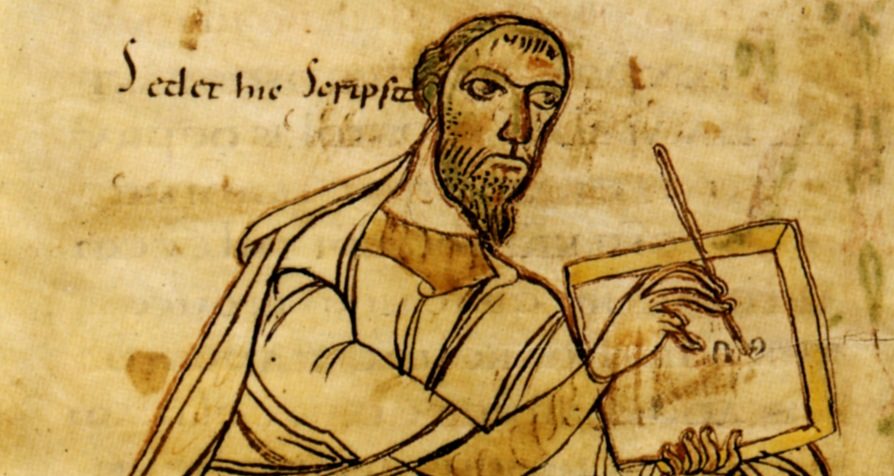
In the ongoing debates about the reliability of early Christian manuscripts, and whether they have been transmitted with fidelity, it is often claimed that early Christian scribes were amateurs, unprofessional, and some probably couldn’t even read.
In Michael Satlow’s recent book, How the Bible Became Holy (Yale, 2014), this same sort of argument appears. Satlow’s book argues that both the OT and NT canons were late bloomers, and that they bore no real authority until the third or fourth century CE. And part of the evidence for this claim comes from Satlow’s assessment of the NT manuscripts. He states:
… Continue reading...The copies of early Christian manuscripts from around the second century