
Lee Martin McDonald, Formation of the Bible: The Story of the Church’s Canon
 … Continue reading...
 Ten Basic Facts about the NT Canon that Every Christian Should Memorize: #1: “The New Testament Books are the Earliest Christian Writings We Possess”

Note: This is the first installment of a new blog series announced here.
This new blog series is designed to help the lay believer learn some basic facts about the New Testament canon—the kind of facts that might be helpful in a conversation with a skeptic or inquisitive friend. The first of these facts is one that is so basic that it is often overlooked. It is simply that the New Testament books are the earliest Christian writings we possess.
One of the most formidable challenges in any discussion about the New Testament canon is explaining what makes these 27 books unique. Why these and not others? There are … Continue reading...
New Blog Series: Ten Basic Facts about the NT Canon Every Christian Should Memorize

Almost every couple of years it happens. Usually it occurs around Christmas or Easter. And it is typically associated with a massive media blitz. I am referring to sensational claims, made by either scholars or laymen, that something definitively “new” has been discovered about the historical Jesus.
Examples of such claims abound in just the last number of years. The so-called Gospel of Jesus’ Wife was “discovered” last year and purportedly taught Jesus had a wife. The Gospel of Judas was all the talk in 2006, as were told that the traditional Gospels may have not given the whole story. And, of course, we all remember the Da Vinci Code… Continue reading...
10 Misconceptions about the NT Canon: #10: “Athanasius’ Festal Letter (367 A.D.) is the First Complete List of New Testament Books”

Note: this is the tenth and final installment of a blog series announced here. The full series can be found here.
When it comes to the study of the New Testament canon, few questions have received more attention than the canon’s date. When did we have a New Testament canon? Well, it depends on what one means by “New Testament canon.” If one is simply asking when (some of) these books came to be regarded as Scripture, then we can say that happened at a very early time. But, if one is asking when we see these books, and only these books, occur in some sort of … Continue reading...
“When They Read the Old Covenant”: Canonical Clues in 2 Cor 3:14
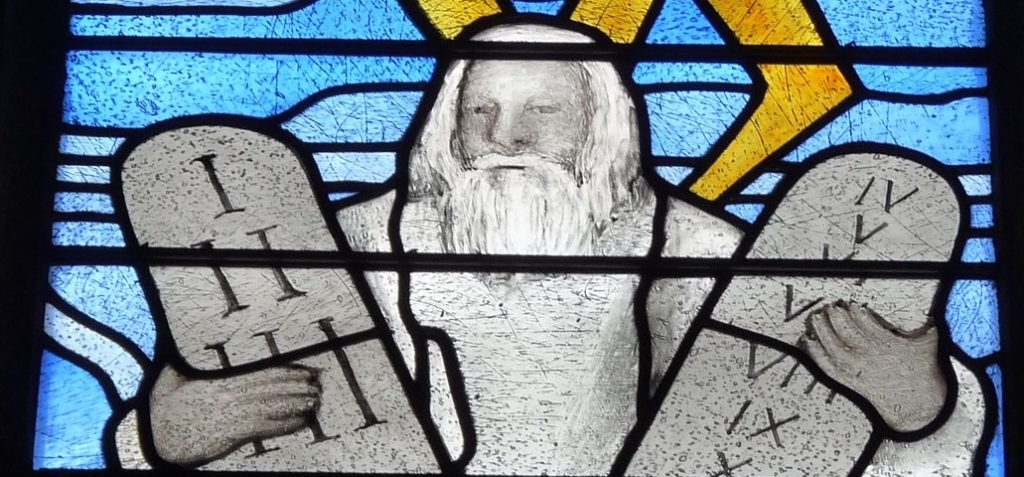
Although most discussions about the development of the canon focus on the patristic period (second century and later), there is much canonical gold yet to mine from the pages of the New Testament itself. One passage that I think contains a number of intriguing clues is 2 Cor 3:14 when Paul says, “When they read the Old Covenant, that same veil remains unlifted.”
Often overlooked in this passage is that Paul understands a covenant to be something that you read; i.e., covenants are written documents. When we look at Paul’s Jewish context this should come as no surprise. So close is the relationship between the covenant, and the written … Continue reading...