
Looking for a Lay-Level Class on the Origins of the NT Canon? Here’s my 6-Part Video Series with @Ligonier
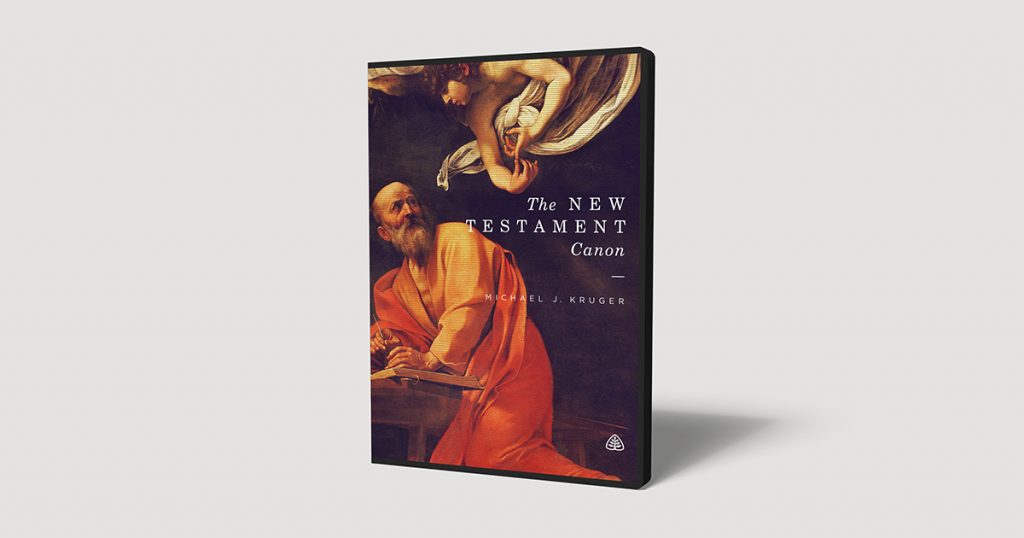
One of the most common questions I am asked is whether I have introductory, lay-level material on the origins of the NT canon that people can use in their churches. For small group Bible studies or Sunday School classes, most people simply won’t read Canon Revisited or any of my other books.
 So, I point the reader to my recent video series with Ligonier where I give six introductory lectures on the origins and authority of the NT canon. My hope is that this will meet a need for churches looking to do something on canon but not knowing where to turn.
You can order the videos here in … Continue reading...
Seeing What We Want to See: Reflections on the Saga of the Gospel of Jesus’ Wife
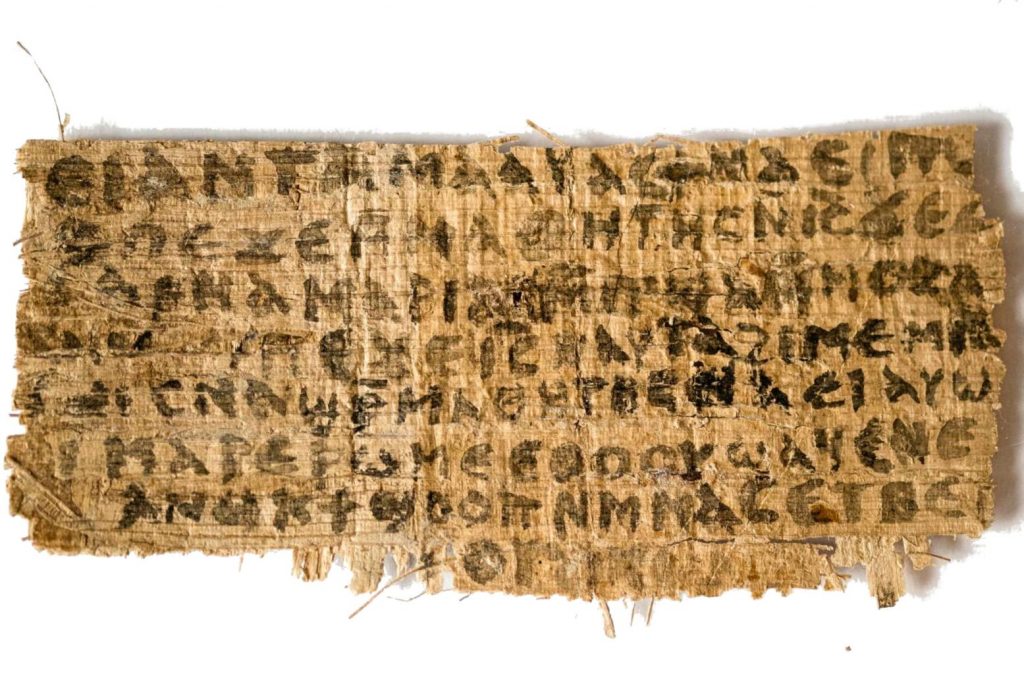
While Narnia is a land filled with magic—where animals can talk and even sing—not all people can hear them. In C.S. Lewis’ The Magician’s Nephew we learn that Uncle Andrew is one of those people. When the animals speak to him, Uncle Andrew hears only animal sounds. Just noise, not words.
Why? He is closed to the idea of a magical world. He assumes (in his worldview) that animals are nothing but dumb creatures. Thus, when Aslan sings, Uncle Andrew is able to rationalize it away: “‘Of course, it can’t really have been singing,’ he thought, ‘I must have imagined it. I’ve been letting my nerves get out of order. … Continue reading...
How Did Early Christians Identify Inspired Books? (Lecture #2)
 … Continue reading...
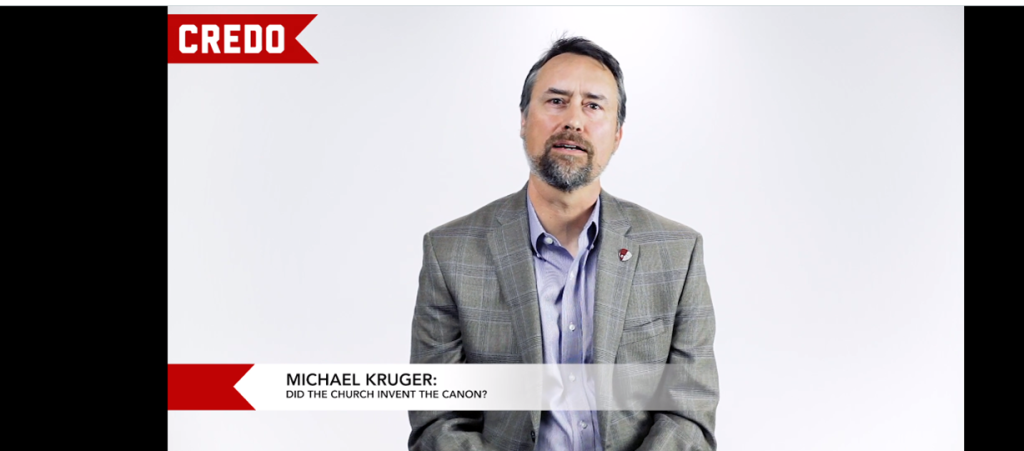
Did the Church Invent the Canon? (Credo)
 … Continue reading...
Were the Church Fathers Inspired in the Same Way as Scripture? A Preview of the Sizemore Lectures at Midwestern Seminary
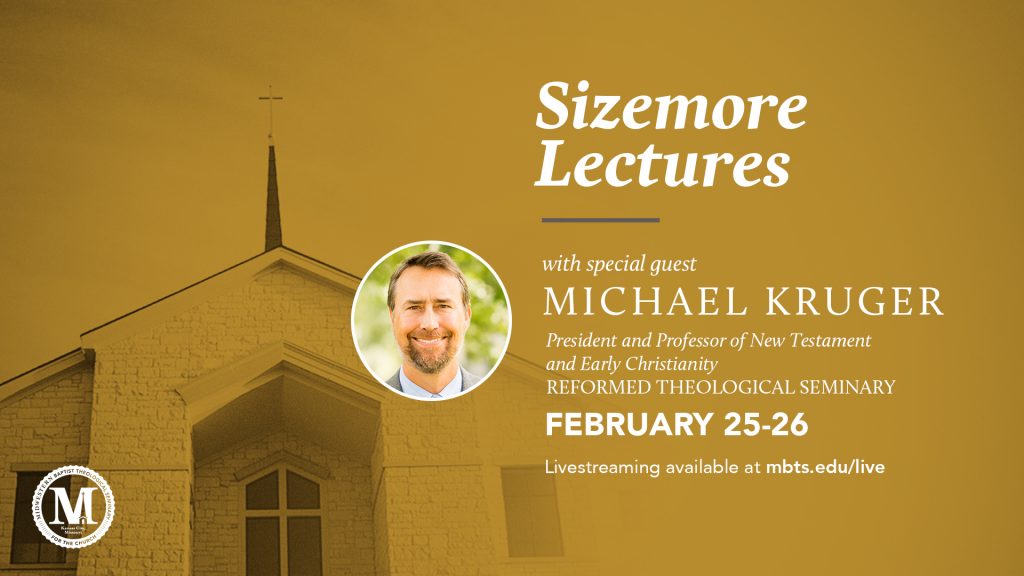
A number of years ago, Everett Kalin wrote a well-known doctoral dissertation arguing that the early church fathers did not see inspiration as something that was uniquely true of canonical books. Why? Because, according to Kalin, the early Church Fathers saw their own writings as inspired. Ever since, a number of scholars have repeated this claim (Sundberg, Allert, MacDonald, et al.), insisting that the early fathers saw nothing distinctive about the NT writings as compared to writings being produced in their own time period.
Well, despite the popularity of this position, I find it to be highly problematic. Indeed, my rebuttal will be the topic for the Sizemore Lectures this … Continue reading...