
7 Things That Make the Gospel of John Unique
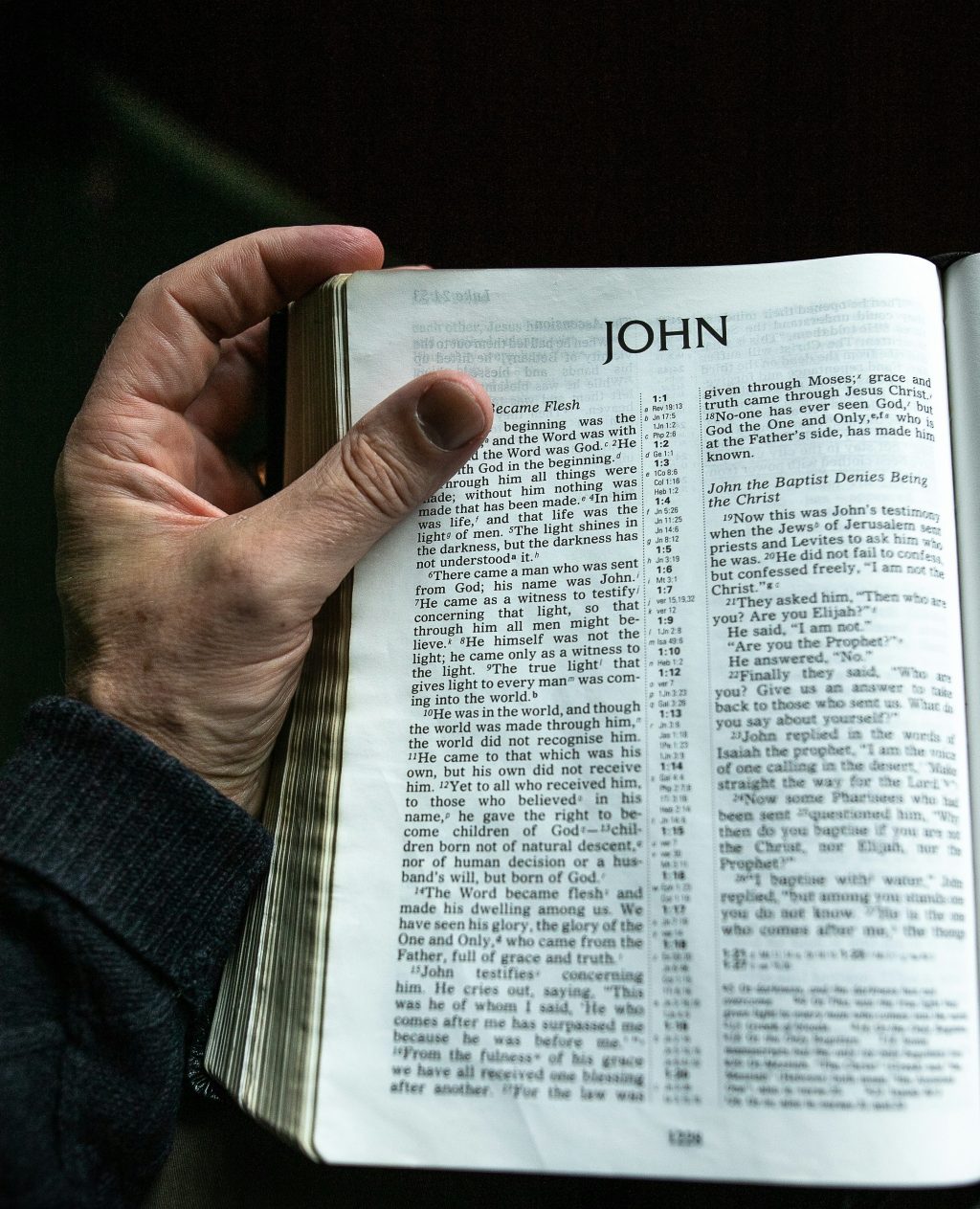
“One of these things is not like the others.” That was a classic segment on Sesame Street, as well as the title of a popular children’s book. It proves again that everything you need to know in life you probably learned in Kindergarten.
After all, when it comes to the four gospels, it has been long recognized that “one of these things is not like the others.” There are three Synoptic Gospels—Matthew, Mark, and Luke—with very similar content, tone, and pacing. And then there’s the gospel of John.
From the very beginning, the church fathers even recognized that John was notably different than the others. In fact, Clement of Alexandria … Continue reading...
Were the Earliest Christians Illiterate?

In the 1979 film Rocky II, the newly famous Rocky Balboa, fresh off his split-decision loss to Apollo Creed, is hired to do a TV commercial. During the filming of the commercial it quickly becomes clear that he can’t read the cue cards. The director, frustrated by how long the filming is taking, ruthlessly mocks Rocky: “You cost us thousands of dollars because you can’t read!”
Rocky is humiliated and embarrassed. Why? Because in our modern, western society most people can read. Reading is the norm. Illiteracy is the exception. It doesn’t matter how famous you are, or how talented you are. If you can’t read, you feel like an … Continue reading...
One of the Core Markers of Early Christian Identity

One of the most notable features of early Christianity is that it was a religion concerned with books. Particularly, scriptural books.
As Margaret Mitchell observed, “Christianity was a religious movement with texts at its very heart and soul, in its background and foreground. Its communities were characterized by a pervading, even obsessive preoccupation with and habitus for sacred literature.”
Now, to modern ears, this doesn’t seem all that noteworthy. Given our historical situation—a world dominated by Judaism, Christianity, and Islam—it seems quite normal for a religion to be bookish.
But it was not always so. In the ancient Greco-Roman world, books were rarely used in religious settings. Other than … Continue reading...
Is the Book of James Really ‘An Epistle of Straw’?

We have a lot of books in our New Testament. All of them, we believe, are divinely inspired. And yet we don’t spend equal amounts of time reading them. For most of us, our reading pattern is profoundly lopsided, focusing mostly on Paul (especially Romans and Galatians) and the Gospels (with John leading the way). Indeed, some books (like 3 John) hardly get read at all.
This trend raises intriguing questions about why certain books were even included in the New Testament. What purpose do these less famous books serve? This becomes particularly acute with the book of James. Although 500 years have passed since Martin Luther called it … Continue reading...
Three Reasons the Old Testament is More Important than You Think

When it comes to the reasons people reject the Bible, the Old Testament might just rank near the top of the list. Whether it’s just something confusing (the book of Leviticus), or something historically hard to believe (the “giants” of Genesis 6), or even something offensive (God’s supposed condoning of genocide), the Old Testament has it covered.
A number of years ago, Kristin Swenson published A Most Peculiar Book: The Inherent Strangeness of the Bible. She covered a lot of ground in terms of what makes the Bible peculiar, and certainly some examples came from the New Testament. But most examples were overwhelmingly from the Old Testament. (For more, … Continue reading...