
As you might have noticed, Bart Ehrman has been making the rounds again this recent Easter season regarding his new book, Love Thy Stranger: How the Teachings of Jesus Transformed the Moral Conscience of the West. Most notable was his appearance on the podcast of New York Time’s columnist, Ross Douthat.
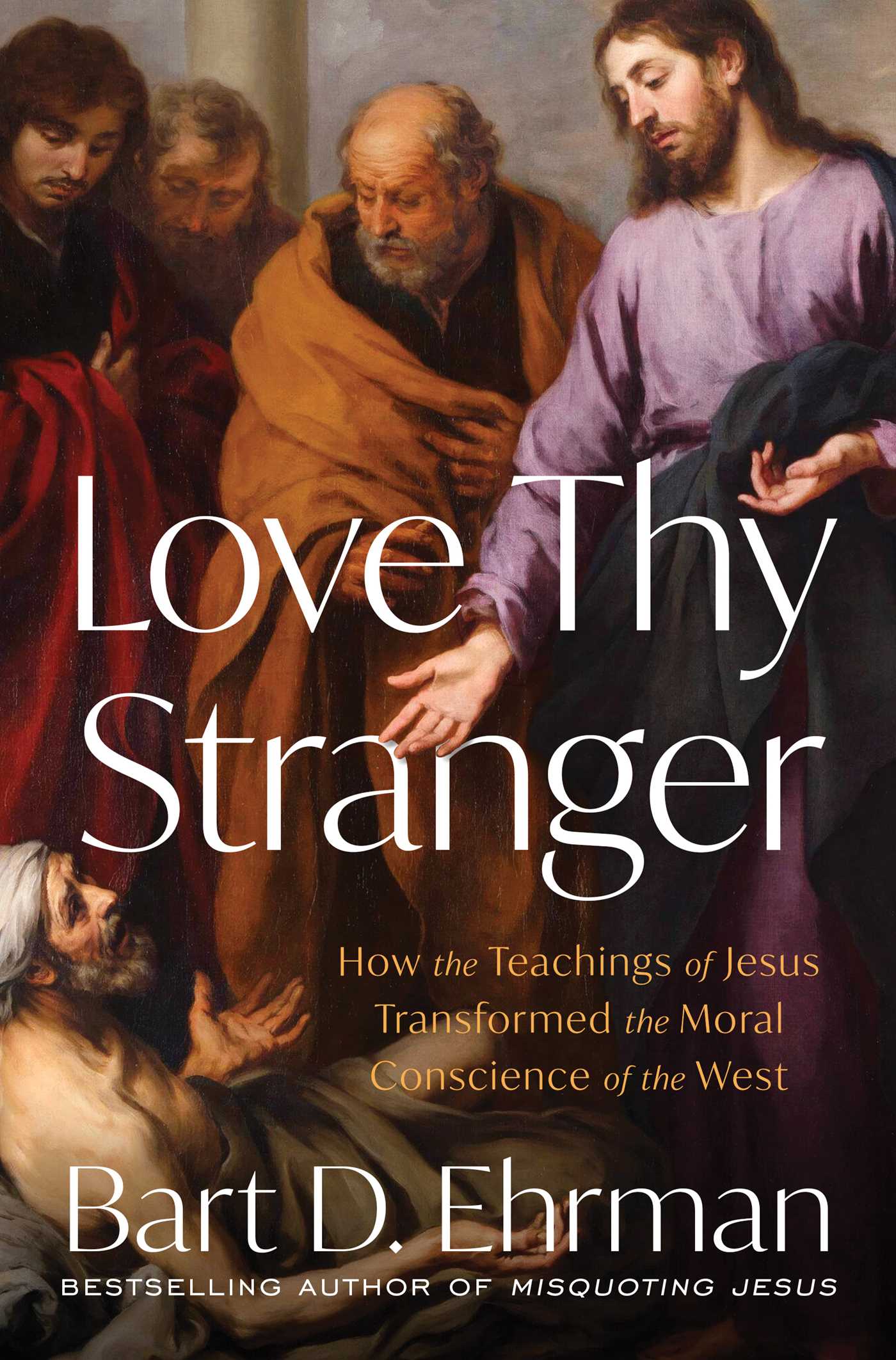 In this new book, Ehrman argues that Christian teachings about helping others in need—especially those we don’t know—was genuinely distinctive in the ancient Greco-Roman world. Altruism was not a value of the polytheistic religions nor the philosophical systems of the time. It was ultimately the influence of Christianity that led to the building of hospitals and orphanages and systems to care for the poor.
Ehrman, of course, is not the first to make such an argument. It has been made before by Rodney Stark, and more recently by Tom Holland. And he is right. The reason our modern western world cares about those in need is due to the impact of Christianity’s distinctive ethic.
Even though the central argument of the book affirms a positive aspect of Christianity, Ehrman is still not convinced of the truth of Christianity itself. He likes Christianity’s core ethic, but he wants this ethic without actually embracing Christianity as a whole.
But is that possible? Can someone have Christian ethics without Christianity? I recently did a full-length video for The Gospel Coalition answering this exact question. Enjoy!